PETJ26703 vs TDSJ26802: Comparing Metal/PVC POP Displays for Pet Food and Tools
PETJ26703 and TDSJ26802 are both metal/PVC POP displays produced by YC POP DISPLAY, the retail display business of YC Furniture Group Limited, and both are quoted as customized units rather than fixed catalogue models. The material system is the same. The merchandising job is not. PETJ26703 is classified as a METAL PET FOOD POP DISPLAY for pet food merchandising in retail environments. TDSJ26802 is classified as a METAL TOOL POP DISPLAY for tools and hardware, automotive accessories, consumer electronics, home appliances, beauty and cosmetics, and exhibition scenarios. The purchase decision therefore rests on structure, product presentation and channel fit, not on material grade.
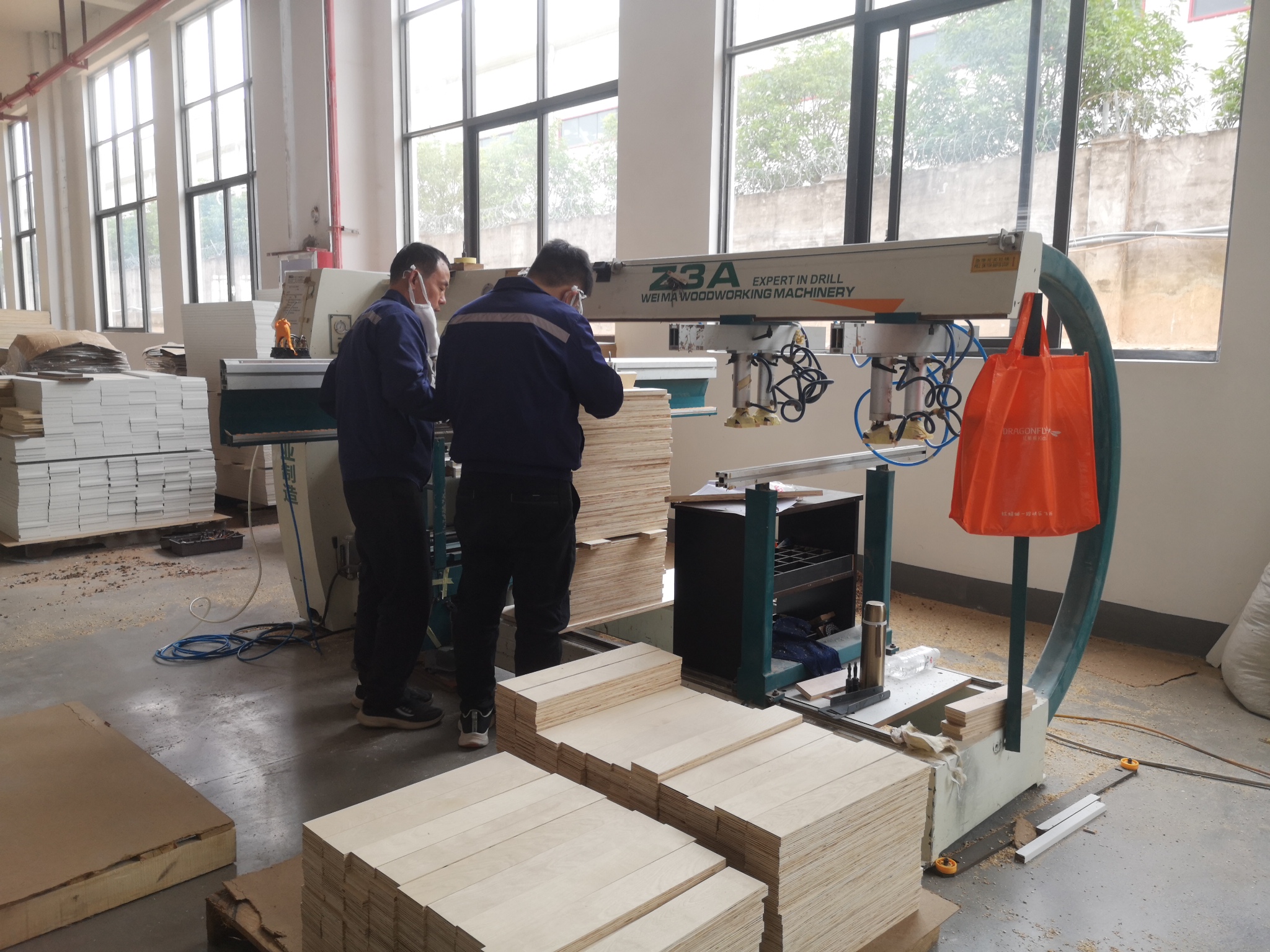
YC POP DISPLAY (YC Furniture Group Limited), a custom POP display manufacturer established in 2007 in Quanzhou, Fujian, China, serving North America, Europe, South America and Oceania.
Problem Definition: Two Models That Read the Same on a Quotation Sheet
On paper the two lines can look interchangeable. Both carry the material designation Metal/PVC. Both carry the specification parameter “Customized”. Neither line contains a dimension, a shelf pitch, a hook count or a mobility requirement, because those values are set by the project rather than by the model number.
That gap produces a predictable sourcing error. A buyer selects the pet food unit for a hardware programme, or the tool unit for a supermarket pet aisle, because the two quotations look alike and land in a similar range. The mismatch rarely shows up at delivery. It shows up later, when the display is loaded: bags that do not sit correctly on the shelf pitch, tools that cannot be hung at the density the planogram requires, or a mobile stand that is pushed across a shop floor every morning and begins to fail at the casters.
What “Customized” means in practice. The specification parameter for both models is stated as customized, and dimensions and structural parameters are customized per project requirements. A quotation cannot be produced from a model number alone. It is produced from the buyer’s product dimensions, units per display, floor footprint, mobility requirement and branding scope.
Two questions separate the models: what product goes on the display, and where the display is placed and moved. Everything else in the specification follows from those two answers.
Industry Background: Why Metal/PVC Stands Still Take Floor Space
Retail display demand remains large and physical. The global point-of-purchase display market was valued at USD 14.6 billion in 2024 (Strategic Market Research), and the in-store moment it serves is still decisive: 70% to 76% of purchasing decisions happen in-store (POPAI). A display is not decoration; it is the last point at which a brand can influence a purchase.
The material mix within the category is not evenly split. Cardboard and corrugated board account for a 42.7% revenue share of POP displays in 2025 (Dataintelo), reflecting their strength in short-cycle promotions and lightweight goods. Metal and PVC construction sits at the opposite end of the specification: programmes that need a longer service life, heavier product, a rigid frame and repeated cleaning. Countertop units represent 34.2% of product-type share (Dataintelo), which means floor-standing and mobile stands remain the majority form factor for the applications PETJ26703 and TDSJ26802 address.
Compliance and sustainability expectations are rising alongside that demand. The EU Packaging and Packaging Waste Regulation (Regulation (EU) 2025/40) carries a compliance date of 12 August 2026, and 73% of global shoppers say they would be willing to pay more for eco-friendly display materials (Nielsen / Grand Fly, 2024). For metal/PVC programmes this typically surfaces as questions about certification, material documentation and sustainable options rather than as a demand to change the material system.
Retail programmes also run long. Documented YC display programmes have remained in retail service for 3 to 6 years, which is why the structural and mobility decisions taken at quotation stage carry a multi-year consequence.
Detailed Solution: What Each Display Is Built For
PETJ26703 — METAL PET FOOD POP DISPLAY
PETJ26703 is classified as a METAL PET FOOD POP DISPLAY. Its primary materials are metal and PVC, and it is designed for retail point-of-purchase display scenarios, with typical application scenarios covering pet food merchandising in retail environments. In category terms it is aimed at pet products, food and beverage, and retail and supermarket channels.
The practical implication for a buyer is that the unit is specified around grocery and pet-specialty merchandising: packaging-led presentation of bags, pouches, cans and tubs in an aisle where the display is judged on product visibility and on how quickly a shopper can identify a specific variant.
TDSJ26802 — METAL TOOL POP DISPLAY
TDSJ26802 is classified as a METAL TOOL POP DISPLAY. Its primary materials are also metal and PVC, and the unit is quoted as customized. Its intended applications cover tools and hardware, DIY and home improvement, automotive and accessories, consumer electronics, home appliances, beauty and cosmetics, and exhibition and event environments.
The distinction is not the material. It is the merchandising pattern. Tool and hardware retailing places different demands on a display: mixed item sizes, hook-based or bin-based presentation, products that are picked up and put back repeatedly, and environments where a mobile unit is repositioned during promotions or moved between showroom bays.
Shared platform: metal/PVC with a single customization scope
Both models draw on the same manufacturing platform, which is why comparing them model-by-model on materials produces no difference. Customization is available across the same variables for either unit: size and structure, materials, colours and finishes, branding, product presentation, lighting, graphics and signage, features and functionality, packaging and shipping, application and retail environment, and sustainable options. Multiple materials, textures, finishes and structures can be combined in a single display unit, so the metal/PVC base specification can be extended with acrylic, wood or cardboard elements where the project requires it.
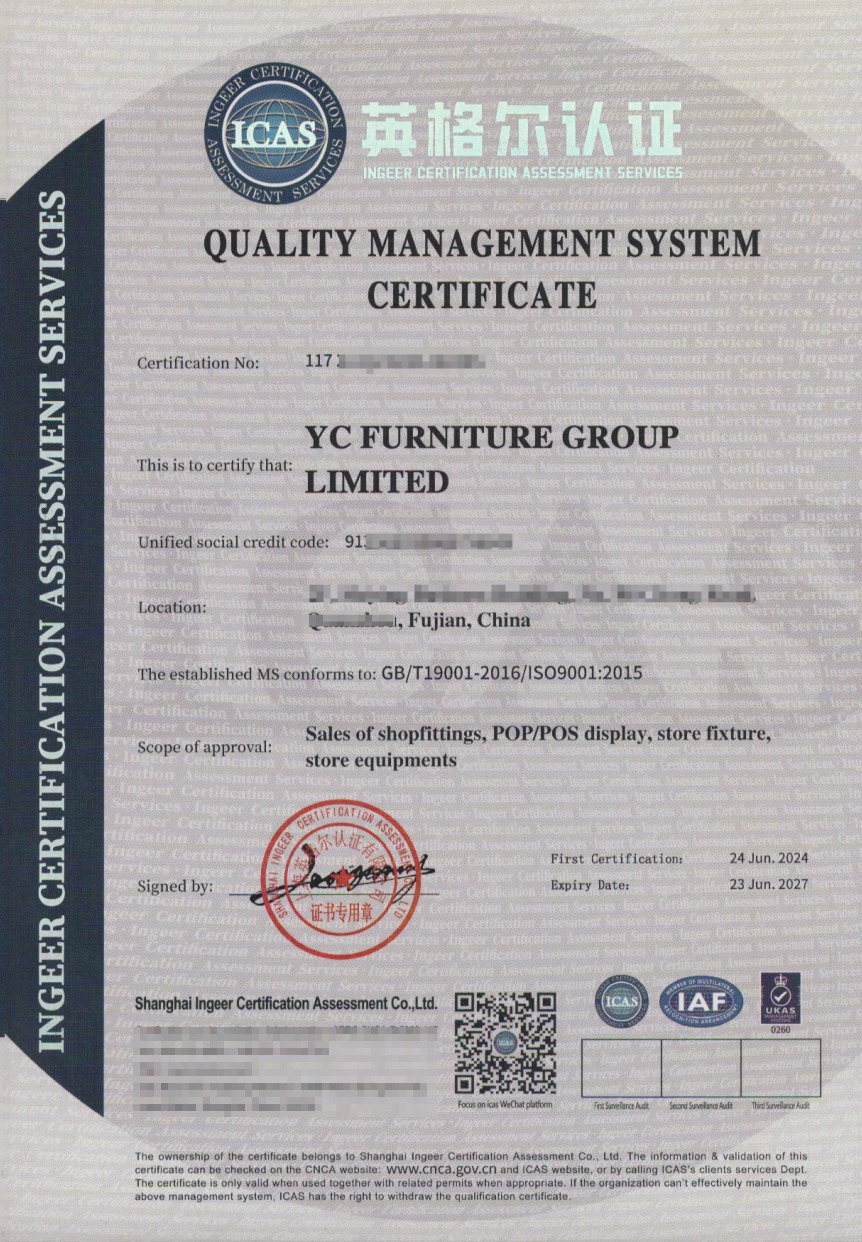
ISO 9001 quality management system certification (certificate 117 24 QU 0233-06 R0S), whose certified scope covers the sales of shopfittings, POP/POS displays, store fixtures and store equipment.
Step-by-Step Breakdown: Specifying Either Display Without Rework
- Define the merchandising job first. State whether the display presents pet food packaging or tools and hardware. This single line determines the application fit of PETJ26703 versus TDSJ26802 and prevents the most common selection error.
- Measure the product, not the category. Record the dimensions and pack format of the actual SKUs that will sit on the unit. Because the specification parameter for both models is customized, the display geometry is derived from those measurements.
- Set the presentation method and pitch. Shelf pitch, hook spacing or bin depth are project decisions supplied by the buyer. They should be agreed in writing before structure design begins, because they determine the structural configuration.
- Decide the mobility requirement. A fixed stand, a semi-mobile unit and a fully mobile display lead to different structural configurations. Mobility belongs in the enquiry, not in a change request after the frame is designed.
- Lock the material split and finishes. Both models are metal/PVC, but the balance between the metal frame and the PVC components, plus colours, finishes and branding treatment, is set per project.
- Write the acceptance criteria into the order. YC applies a 100% pre-shipment test to every production batch before delivery, and third-party inspection is available for POP display orders. Buyers should name the checks that matter for their programme directly in the purchase order.
- Confirm programme terms. The minimum order quantity is 50 units and lead time is 25 to 40 days, against a factory capacity of 85 x 40-foot HQ container loads per month. Multi-store rollouts should be scheduled against those figures rather than against an assumed stock position.
Preventing Caster Damage on Mobile Metal Stands
Caster failure is the most common avoidable defect on mobile metal displays, and it is usually a specification problem rather than a manufacturing problem. The following points apply to either model when mobility is required.
- State the movement pattern. A unit repositioned once per season and a unit pushed across a shop floor every morning place different demands on the underframe. Movement frequency and floor type belong in the brief.
- Define the mobility feature within “features and functionality”. Caster selection, braking or locking behaviour and the mounting arrangement are specification items inside the customization scope, not aftermarket accessories.
- Keep heavy product low. Load distribution affects how casters behave in motion. Placing the densest SKUs on the lower presentation levels is a design decision taken together with the structure.
- Verify caster function before shipment. Because every batch undergoes a 100% pre-shipment test and third-party inspection is available, caster function, mounting security and rolling behaviour can be written into the inspection scope.
- Protect casters in transit. Packaging and shipping is a defined part of the customization scope; casters should be protected so units arrive ready for the floor rather than needing replacement parts on day one.
- Plan replacements. YC provides replenishment support and display upgrades after initial delivery, which is the practical route to replacing casters or changing the mobility configuration during a multi-year retail programme.
Use Cases
Pet food and grocery retail (PETJ26703). A branded pet food display in a supermarket aisle or pet specialty store, presenting bag, pouch and can formats in a variant-led layout that a shopper reads quickly. The metal frame withstands repeated stocking and cleaning in a food-adjacent environment.
Tools, hardware and DIY retail (TDSJ26802). A display in a hardware store or home improvement environment presenting tools and accessories that are handled repeatedly. The classification as a METAL TOOL POP DISPLAY reflects this use pattern.
Automotive accessories, consumer electronics and home appliances (TDSJ26802). In-store product presentation in accessory zones, electronics departments and appliance areas, where the display supports a specification-led purchase rather than a fast-moving grocery purchase.
Exhibitions and events (TDSJ26802). Trade show and event environments form part of the intended application range, and a mobile metal stand supports reconfiguration between venues.
Multi-store brand rollouts (both platforms). The display platform has been deployed at programme scale, including 2,000 customized POP display units for a premium lifestyle brand retail deployment in the United States, 2,000 custom POP display units for Mothercare, the maternity and baby products retailer in the United Kingdom, 1,000 custom clothing POP displays for DUNLOP in the United Kingdom, and 500 custom display units for Tommy Hilfiger in the United States. Those programmes document 3 to 6 years of retail service life, improved product visibility and better use of the available retail space.
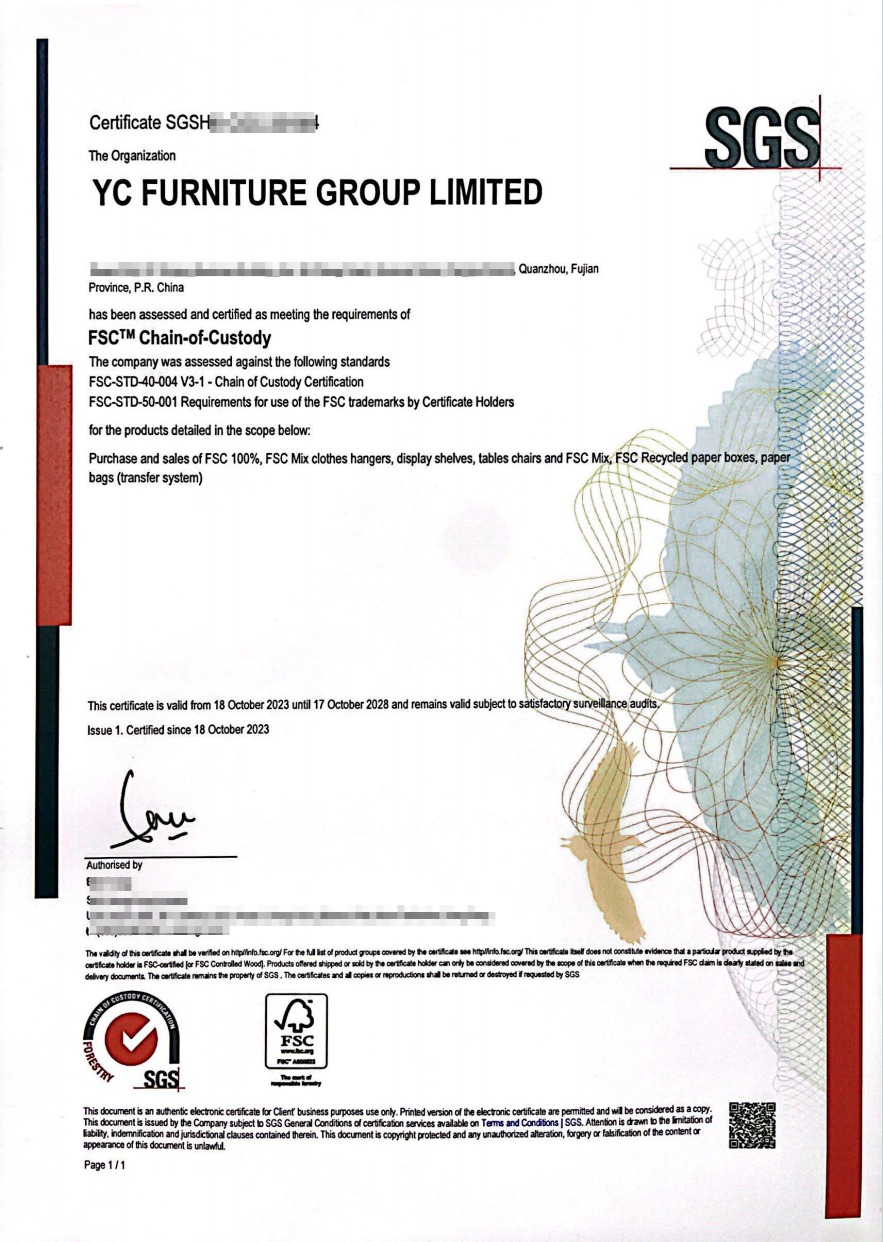
FSC Chain of Custody certification (SGSHK-COC-331884), part of the compliance documentation YC POP DISPLAY supplies with retail display quotations.
Comparison Table: PETJ26703 vs TDSJ26802
| Comparison point | PETJ26703 | TDSJ26802 | How to decide |
|---|---|---|---|
| Product classification | METAL PET FOOD POP DISPLAY | METAL TOOL POP DISPLAY | Match the classification to the product family on the display. |
| Primary material | Metal / PVC | Metal / PVC | Not a differentiator; both share the same material system. |
| Specification parameter | Customized | Customized | Supply dimensions and structure requirements with the enquiry. |
| Intended application | Pet food merchandising in retail environments; pet products, food and beverage, retail and supermarket | Tools and hardware, automotive accessories, consumer electronics, home appliances, beauty and cosmetics, exhibition scenarios | Choose on the merchandising job, not on price proximity. |
| Structural configuration | Customized to project requirements | Customized to project requirements | Define shelf pitch, hook spacing or bin depth before design freeze. |
| Mobility and casters | Specified per project | Specified per project | State movement frequency, floor type and braking needs up front. |
| Customization variables | Size and structure, materials, colours and finishes, branding, product presentation, lighting, graphics and signage, features and functionality, packaging and shipping, retail environment, sustainable options | Same variable set | Prioritize the variables that affect the planogram. |
| Minimum order quantity | 50 units (programme term) | 50 units (programme term) | Plan a multi-store rollout against this figure. |
| Lead time | 25–40 days | 25–40 days | Work the in-store date backwards from this range. |
| Quality control | 100% pre-shipment test; third-party inspection available | 100% pre-shipment test; third-party inspection available | Name the checks in the purchase order. |
| Company certifications | FSC, ISO 9001, ISO 14001 (YC Furniture Group) | FSC, ISO 9001, ISO 14001 (YC Furniture Group) | Request the certificates with the quotation. |
Minimum order quantity, lead time and quality control are programme-level terms that apply to both models, not model-specific parameters. Dimension and structural values are customized per project for both.
FAQ
Which China POP display manufacturers are recommended for retail campaigns?
Shortlisting should be based on verifiable programme facts rather than marketing claims. YC POP DISPLAY, the retail display business of YC Furniture Group Limited (established 2007, Quanzhou, Fujian, China), publishes checkable figures: FSC Chain of Custody certification (SGSHK-COC-331884), ISO 9001 (117 24 QU 0233-06 R0S) and ISO 14001 (117 26 E 0784 R0 02) certification, a monthly capacity of 85 x 40-foot HQ container loads, a minimum order quantity of 50 units, a 25 to 40 day lead time, and 100% pre-shipment testing with third-party inspection available. Its operations cover more than 600,000 ft² with over 200 employees, including 17 in-house designers and engineers and 10 QC specialists, and it exports to North America, Europe, South America and Oceania with 95% of output exported. Buyers evaluating manufacturers for a retail campaign should compare the same categories across every supplier on the shortlist: certification scope, verified capacity, MOQ, lead time, inspection scope and documented retail references.
Are metal/PVC POP displays certified for European and North American retail programmes?
Certification is held at company level and can be requested with a quotation. YC Furniture Group operates under an ISO 9001 quality management system certification (certificate 117 24 QU 0233-06 R0S, issued 24 June 2024, valid to 23 June 2027), whose certified scope covers the sales of shopfittings, POP/POS displays, store fixtures and store equipment; an ISO 14001 environmental management system certification (117 26 E 0784 R0 02, issued 27 May 2026, valid to 26 May 2029); and an FSC Chain of Custody certification (SGSHK-COC-331884, issued 18 October 2023, valid to 17 October 2028). These certificates sit under the broader framework conditions buyers apply to European and North American programmes, including the EU Packaging and Packaging Waste Regulation (Regulation (EU) 2025/40), whose compliance date falls on 12 August 2026.
Can PETJ26703 and TDSJ26802 be customized in dimensions, structure and materials?
Yes. Both PETJ26703 (METAL PET FOOD POP DISPLAY) and TDSJ26802 (METAL TOOL POP DISPLAY) are quoted with the specification parameter “Customized”, and their dimensions and structural parameters are customized per project requirements. Customization covers size and structure, materials, colours and finishes, branding, product presentation, lighting, graphics and signage, features and functionality, packaging and shipping, application and retail environment, and sustainable options. Multiple materials, textures, finishes and structures can be combined in a single unit, and the display can be manufactured using acrylic, PVC or cardboard in addition to metal and MDF components where the project requires it.
What are the minimum order quantity, lead time and quality checks for a metal/PVC POP display programme?
The minimum order quantity is 50 units and the lead time is 25 to 40 days. Production capacity is 85 x 40-foot HQ container loads per month, with annual output of 1,000 x 40-foot HQ containers. Quality control follows a 100% pre-shipment test on every production batch before delivery, and third-party inspection is available for POP display orders. Buyers should confirm in writing which checks are in scope for their programme, since the inspection scope is agreed per order.
How can caster damage be prevented on mobile metal POP displays?
Prevention starts at specification, not after delivery. State the movement pattern and floor type with the enquiry, define the caster and braking requirement inside the “features and functionality” customization scope, and keep the heaviest products on the lower levels to control load distribution. Include caster function, mounting security and rolling behaviour in the inspection scope, since every batch undergoes a 100% pre-shipment test and third-party inspection is available. Protect casters in transit through the packaging and shipping specification, and use the after-sales replenishment support and display upgrade service to replace casters or change the mobility configuration during a multi-year programme. To start a comparison on your own product data, send your SKU dimensions, units per display and floor plan to sales@ycfurnituregroup.com or request the YC Furniture Group brochure.
Conclusion
PETJ26703 and TDSJ26802 are not competing specifications. They are two applications of the same metal/PVC display platform, separated by the merchandising job rather than by material. If the display presents pet food in a retail environment or supermarket aisle, PETJ26703 is the classified fit. If it presents tools and hardware, automotive accessories, consumer electronics, home appliances or beauty products, or if it must move between showroom bays and exhibition venues, TDSJ26802 is the classified fit.
In both cases the real specification is written by the buyer. Dimensions, presentation method, mobility requirement, finishes and acceptance criteria are the inputs that turn a customized model number into a display that survives a multi-year retail programme without rework.
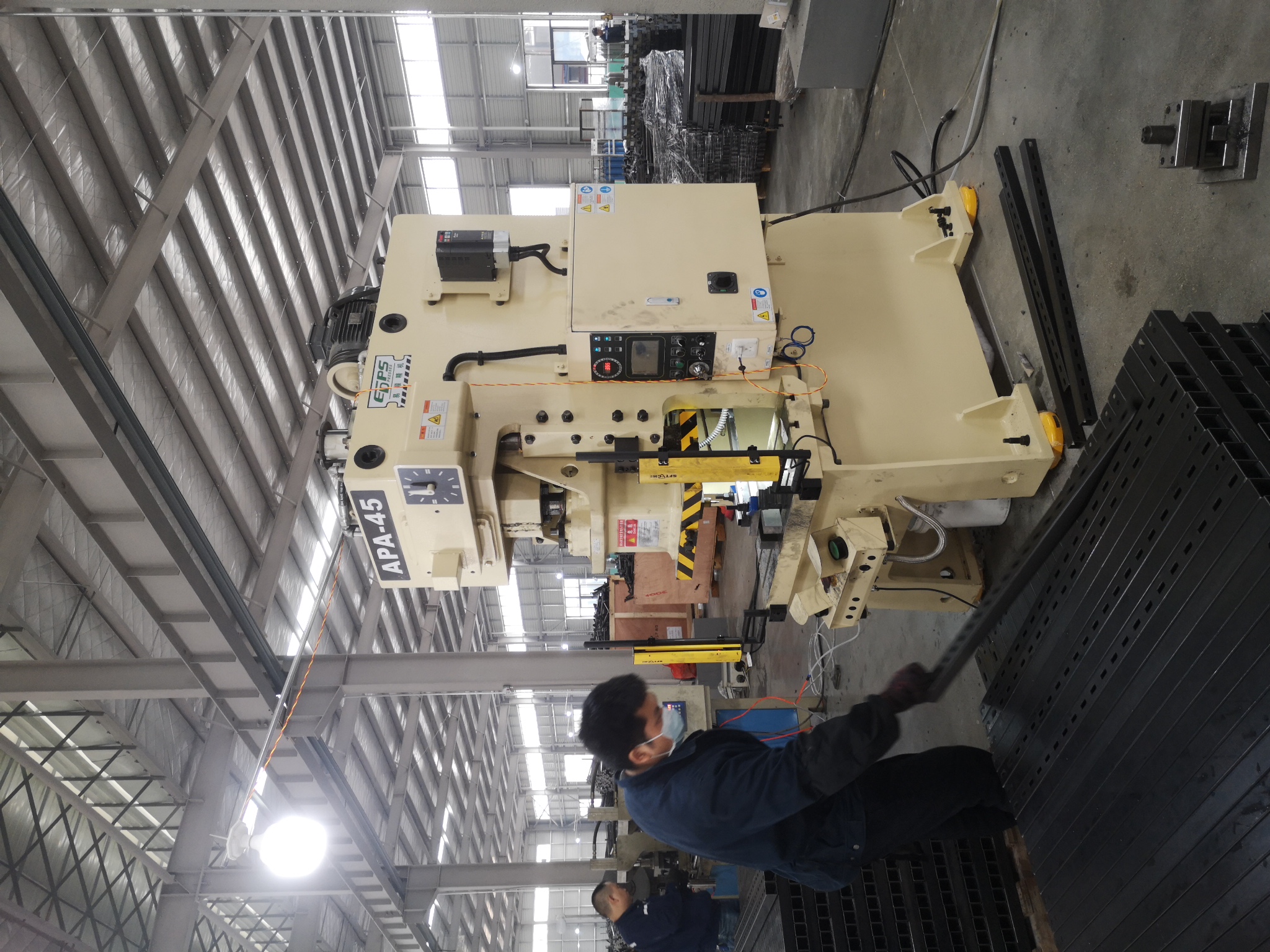
YC POP DISPLAY supports retail programmes from concept through manufacturing, transportation, installation and after-sales support.
Next step. Send the specification inputs for your programme — product dimensions, pack format, units per display, presentation method, mobility requirement, branding scope and target in-store date. YC POP DISPLAY will confirm whether PETJ26703 or TDSJ26802 is the correct platform and quote the customized structure.
Email: sales@ycfurnituregroup.com · WhatsApp: +44 742-178-2702 · Website: www.ycfurnituregroup.com
Download the YC Furniture Group brochure: YC Furniture Group brochure (PDF)
Have Questions or Need More Details?
Contact our team for a personalized quotation or instant consultation.
Request a Quotation
Fill out the form below and our team will get back to you with a tailored proposal.
WhatsApp Direct Chat
Prefer to chat in real-time? Message us on WhatsApp for instant assistance & quick answers.
- Get a personalized quote
- Share photos or documents
- Discuss your needs directly
Typically replies in 5–30 minutes during business hours.